
Last month, I decided to visit and eyewear store to purchase new glasses. You see, my last pair broke in half, because I missed placed them. In my rush to help one of my kiddos, I kneeled on my last pair of glasses. Since my emergency pair vanished into thin air, I couldn’t put off this purchase any longer. An eye exam, frames, and lenses add up pretty quickly. To offset the cost, I prefer to shop during promotions. This way, I get what I need at an affordable price. If you do your homework, you can find places that do same-day pickup with no additional fee too.
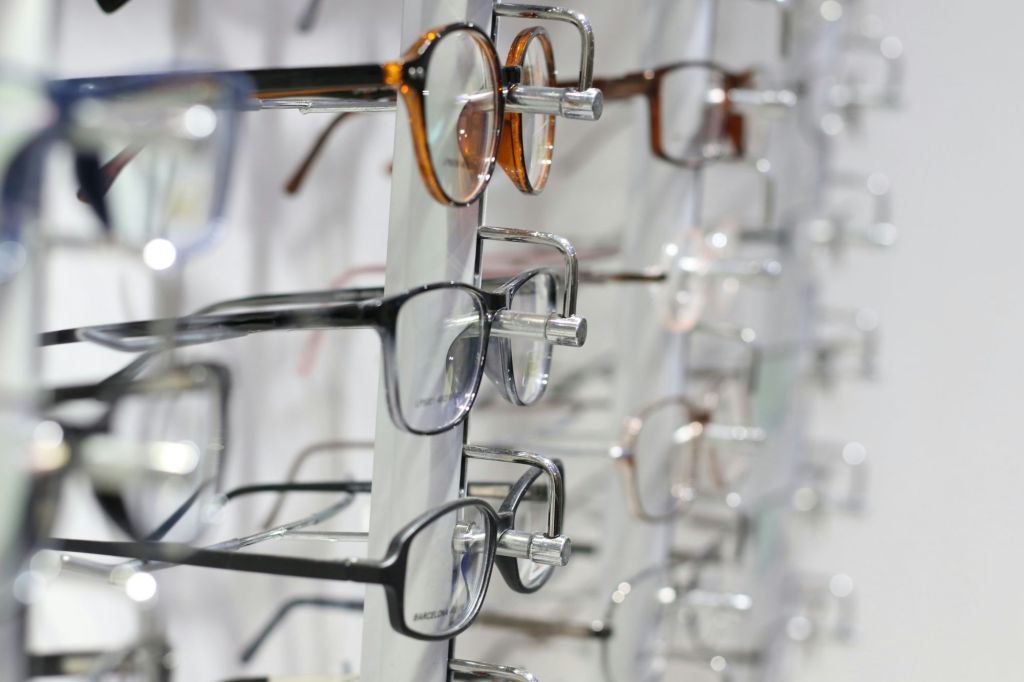
Typically, eyewear prescriptions are good for 2-years. Sadly optometry isn’t necessarily covered by insurance. So, it can be an out of pocket cost for many people. As long as their eyesight doesn’t degrade significantly during that 2-year period, the consumer can put off this purchase for quite a while. Doesn’t it seem wasteful to keep a licensed optometrist on standby all day? If the answer is yes, what’s a lucrative work around. If the store is by appointment only, you’d loose the walk-in revenue. How about a remote Optometrist?
During my visit, the onsite staff took several pictures of my eyes with three machines. When the eye exam room was ready, I was placed in the chair with the mechanism that would help create my prescription. This was my first time getting a new prescription without the doctor physically present. From there, I watched a short video that would explain the virtual process. The doctor made remote changes to the lenses from his location

Overall, the exam was efficient and was the quickest portion of my appointment. After the doctor disconnected, I choose my frames, discussed lens options, and headed to Sam’s Club. I got a text notification that my glasses were ready. Bam I can see like regular people again. I’ll admit the doctor patient interaction was a little awkward, but an efficient way to run a business nonetheless.

 Magnify Your Style
Sharing is caring! Let me know what you think.